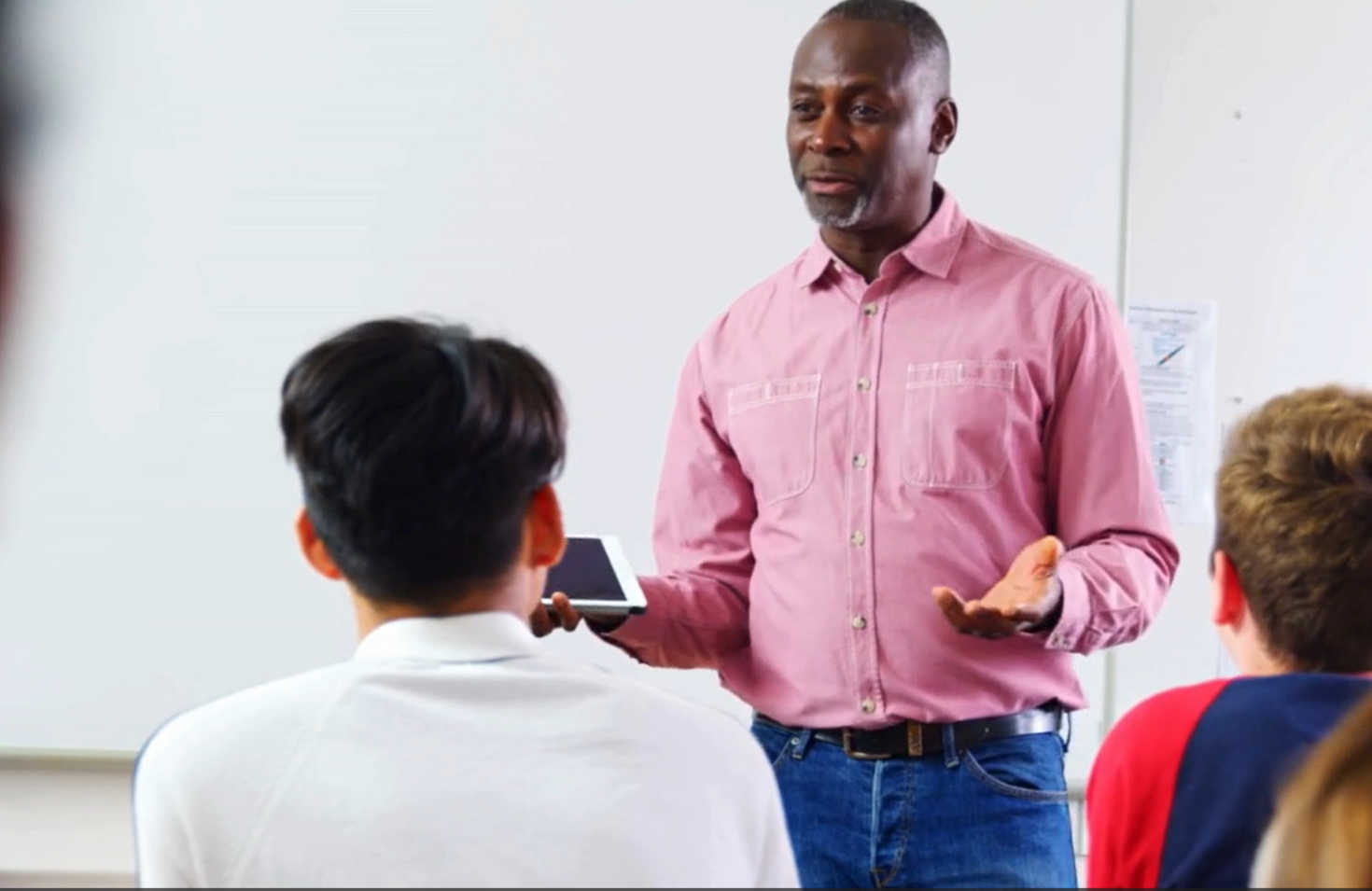
Why Practice Beats Theory
The Science Behind XR Simulation Training
Ever Learned Something the Hard Way?
Think back to the first time you tried something new in. Maybe it was driving a stick shift and realizing that the car behind you was worth more than your house… and you were rolling backward toward it. Or trying to “stay calm” during a tense conversation because someone told you to, which, of course, made you less calm.
That gap between knowing what to do and being able to do it when it matters?
Learning scientists call it "The Knowing–Doing Gap."
Extended Reality (XR) human-controlled avatar simulations recreate that first time, without the real-world fallout.

Closing the Gap Fast
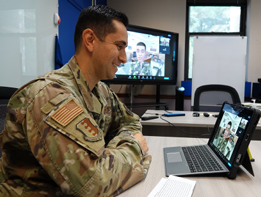
While working with the U.S. Air Force, I watched Airmen from brand-new tech school grads to seasoned pros dive into immersive XR simulations.
The first attempts?
Awkward pauses, fumbled words, and the kind of silence you could taxi a C-130 through.
- Younger Airmen stopped freezing when faced with a tough question.
- Seasoned NCOs found new ways to stay calm under pressure.
- Teams started anticipating the next move instead of just reacting.
This wasn't a one-off win. Halldale (2024) spotlighted this program for transforming leadership decision-making because it gives participants a safe space to practice, fail, and improve.
The "Safe Stress' Zone
XR simulations give learners realistic pressure without real-world consequences. Think of it like a flight simulator for conversations, you can crash here, learn from it, and walk away better for next time.
This experiential method sharpens three critical areas:
- Emotional realism through avatars that get frustrated, confused, or angry
- Opportunities to try again and get it right
- Feedback loops that build muscle memory, not just head knowledge
Why Practice Wins (and the Proof)
Three different studies, one clear takeaway: practice beats theory.
When people get to do the skill in a realistic setting, mistakes and all, they’re far more prepared when it’s real.
Training police to de‑escalate mental health crisis situations: VR vs. live‑action
Both formats significantly improved de‑escalation skills; VR also reduced bias toward people with mental illness and wasn’t more cognitively demanding.
Virtual simulations to train social workers for competency‑based learning: a scoping review
XR simulations gave students realistic practice in emotionally charged cases, boosting confidence and decision‑making for real‑world interactions.
Enhancing students’ self‑efficacy with virtual simulations
Universities pairing professional actors with virtual scenarios saw gains in students’ knowledge and confidence when handling challenging client interactions.
Bottom Line
In the real world, theory alone is like having a map but no practice driving the roads. When we combine evidence-based design, authentic scenarios, and guided reflection, people don’t just know what to do, they can do it under pressure.